The Iran Conflict and Its Impact on the Semiconductor Market
The conflict involving Iran is first and foremost a humanitarian and geopolitical situation. At the same time, it is beginning to affect global supply chains, including the semiconductor industry, which sits at the centre of modern technology.
A Global Industry by Nature
The semiconductor industry has always been global. Design may take place in the United States or Europe, fabrication in Asia, and materials sourced from multiple regions. Every part of the process depends on stable trade, energy supply and logistics.
That interconnectedness is also a vulnerability. When instability appears in a region as strategically important as the Middle East, the impact rarely remains local.
Energy Still Matters
One of the most immediate effects of the Iran conflict is through energy markets. Semiconductor manufacturing is highly energy intensive. Advanced fabrication facilities require large amounts of electricity, along with reliable access to industrial gases and chemicals.
The Strait of Hormuz remains one of the most important energy routes in the world. Any disruption affects oil and gas flows globally. This matters because many semiconductor producing regions rely on imported energy, higher energy costs feed directly into production costs, and volatility makes long term planning more difficult.
Materials Risk: The Helium Factor
Beyond energy, the situation highlights less visible dependencies within semiconductor manufacturing. Helium is a good example.
It plays a key role in cooling and maintaining the ultra clean environments required in chip production. A significant portion of global supply comes from the Middle East. If supply tightens, the impact can be felt quickly, particularly given how dependent production is on a steady flow of specialist gases.
Supply Chains Under Pressure
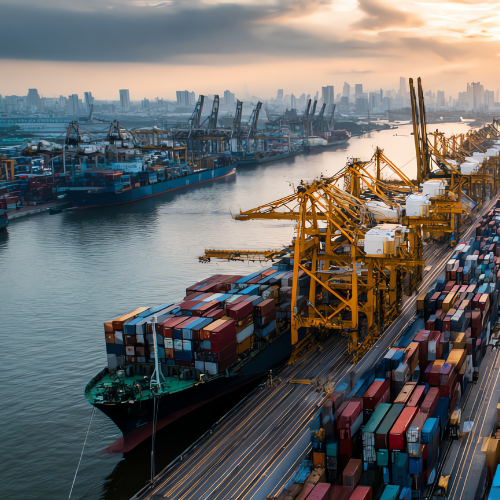
Shipping and logistics are another area to watch. The Gulf region is a critical route for both energy and wider trade. Disruption in this region can lead to delays, increased transport costs and less predictable delivery timelines.
For an industry that relies on precision and timing, even relatively small disruptions can have wider consequences.
Cost Pressure and Uncertainty
When energy, materials and logistics are considered together, the result is rising costs and greater uncertainty. Manufacturers are facing higher input costs, increased market volatility and more cautious decision making around expansion.
At the same time, the broader economic backdrop is becoming less predictable, adding further complexity to demand forecasting.
Demand Remains Strong
It is not all negative. Demand for semiconductors remains strong, particularly in areas such as artificial intelligence, cloud computing and advanced systems.
This creates an unusual situation. There are clear supply side challenges, but underlying demand has not weakened. For many companies, the issue is not demand itself, but the ability to meet it reliably.
What This Means in Practice
Situations like this tend to accelerate trends that were already underway. Supply chains are likely to continue diversifying, reducing reliance on any single region. Energy security is becoming a more prominent strategic consideration. Risk management is becoming more proactive, with greater focus on planning for disruption and securing critical materials.
There is also increasing emphasis on regional ecosystems. Building semiconductor capability across multiple regions, including Europe, is becoming more important.
The Talent Dimension
Geopolitical instability also influences where companies choose to invest and hire. Stable and established ecosystems become more attractive in uncertain conditions.
Europe already has strong pools of semiconductor talent across a range of specialised areas. In the current environment, that becomes even more relevant.
Looking Ahead
It is still early, and the situation continues to evolve. The long term impact will depend on how the conflict develops, how energy markets respond and how effectively supply chains adapt.
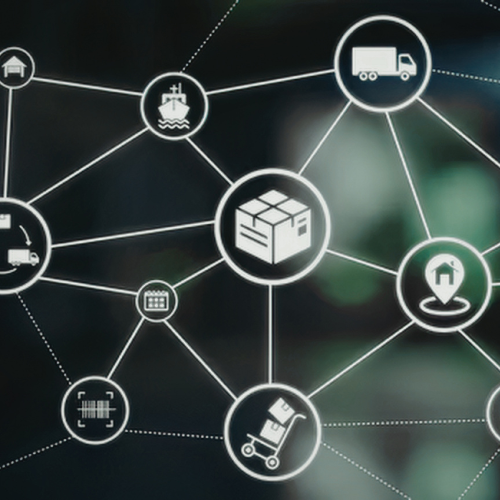
What is clear is that semiconductors do not operate in isolation. They sit within a wider system that includes energy, materials, logistics and geopolitics.
Final Thought
The Iran conflict is a reminder of how interconnected everything has become. Behind every chip is a complex network that depends on stability across multiple regions.
For businesses in the semiconductor space, understanding that broader picture is becoming an essential part of staying competitive.
Speak with a semiconductor search specialist
We support US semiconductor companies with retained search for engineers, technical leaders and niche expertise.